How Do You Choose the Right Dentist?
Searching for a dentist near me Sydney brings up dozens of clinics, so the closest one is not always the best fit for your needs. This guide explains how to check a dentist’s registration, which services and technology are worth looking for, how to read reviews wisely, what happens at a first visit, and how to tell whether a practice suits you and your family. By the end, you will know how to choose a dentist you can trust for years.
Finding a dentist in a large city like Sydney can feel overwhelming, because a quick search on your phone shows many clinics within a short drive, and most of them have professional websites and high star ratings. The nearest clinic may suit you well, but it may also lack the services you need or offer appointment times that do not fit your week. Just Smiles Dentistry provides personalised dental care for individuals and families, and this guide shares the questions we believe every patient should ask before choosing any dental practice in Sydney.
What Should You Look for in a Dentist Near You in Sydney?
Experience and Professional Qualifications
Every dentist practising in Australia must be registered with the Dental Board of Australia, and you can check this for free by searching the dentist’s name on the public AHPRA register at ahpra.gov.au. The register shows whether the dentist is currently registered and whether any conditions apply to their practice. Registration only confirms that a dentist is allowed to practise, so it is also worth asking how often they perform the treatment you need, such as dental implants, Invisalign® or root canals, because experience builds sound judgement in more complex cases. A good dentist will also be open about referring you to a specialist when your situation calls for one.
Range of Dental Services
Having most of your dental care in one place keeps your records, X-rays and treatment history together, which helps your dentist notice changes in your mouth over time. Useful services to look for include general dentistry, preventive care, cosmetic dentistry, Invisalign®, dental implants and emergency dentistry. It is especially worth asking how the practice handles urgent problems such as a cracked tooth or sudden pain, because knowing the answer before you need help makes those stressful moments much easier to manage.
Patient Reviews and Reputation
Reviews on independent platforms can show you what other patients have experienced, but the overall star rating rarely tells the full story because most clinics score highly. It is more helpful to read a range of reviews and look for repeated comments about communication, waiting times, comfort, clear pricing and quality of care. One unhappy review is not necessarily a concern, whereas the same problem mentioned by many people deserves your attention. Reviews work best as one part of your decision, alongside registration, services and how you feel when you speak with the team.
Communication and Patient Comfort
A good dentist listens to your concerns, explains findings in plain language and gives you time to ask questions before any treatment begins. A very useful question is “What are my options?”, because a clear answer should cover the different treatments available, the likely costs and what may happen if you choose to wait. You can also ask for a written, itemised quote so that you understand exactly what you are paying for. If dental visits make you nervous, let the practice know when you book so they can plan a longer appointment or a slower pace that helps you feel at ease.
Dental Technology and Treatment Approach
Modern tools such as digital X-rays, intraoral cameras and scanners can help a dentist find problems earlier and plan treatment more precisely. However, technology should support the dentist’s professional judgement rather than replace it, and tests like X-rays should be recommended because of your symptoms and risk instead of simply because the equipment is available. Asking why a particular test is needed is a sensible way to understand how it fits into your care.
Location and Appointment Convenience
A clinic that looks close on the map may take much longer to reach during peak hour, so it helps to consider parking, public transport, opening hours and how soon you can usually get an appointment. Convenience matters even more for families who need children’s appointments after school, and for people who need regular visits during ongoing treatment. Families may also like to ask whether the practice accepts the Child Dental Benefits Schedule, and you can check your child’s eligibility on the Services Australia website.
How Does a Regular Dentist Help You Catch Dental Problems Early?
Seeing the same dental team over time allows them to compare your teeth and gums from one visit to the next, which makes it easier to spot small changes such as early gum problems or a filling that is starting to wear down. Finding these issues early usually means simpler and less costly treatment, and having a dentist who knows your history makes it easier to keep up with preventive care. How often you need a check-up depends on your oral health and your risk of decay or gum disease, so your dentist can recommend a schedule that suits you instead of applying the same rule to everyone.
What Can You Expect During Your First Dental Visit in Sydney?
A first appointment is usually a relaxed introduction to the practice, and it often takes around 45 to 60 minutes so that the dentist has enough time to understand your needs properly.
-
Discussing Your Dental Concerns
The dentist will ask why you have come in, whether you have any pain or sensitivity, and what dental treatment you have had in the past. They will also ask about your medical history and any medications you take, because these can affect your gums, healing and overall oral health.
-
Examining Your Teeth and Gums
Your dentist will check your teeth, existing fillings and gums for signs of decay, gum disease or wear, and they will also look at your bite, tongue, cheeks and throat to make sure everything appears healthy.
-
Diagnostic Tests When Required
If your dentist cannot see enough during the examination, they may recommend X-rays or other diagnostic tests, and these should be suggested only when they are clinically appropriate for your situation.
-
Discussing Your Treatment Options
Afterwards, your dentist should explain what they found, which treatments are needed now and which can simply be monitored, and what each option involves. You should also be offered an itemised written estimate, which can help you check any health fund rebate before you decide to go ahead.
How Can You Tell If You Have Found the Right Dentist In Sydney?
You have probably found a good match when you feel comfortable raising concerns and when your dentist explains everything in words that make sense to you. Other positive signs include:
- Treatment recommendations come with clear reasons, alternatives and written costs.
- Your budget, preferences and any anxiety are taken into account when planning care.
- The team gives as much attention to prevention as to treatment.
- Appointments are easy enough to book that you can keep up with regular visits.
A simple test is whether you could explain your treatment plan to a friend afterwards, because if you cannot, it may not have been explained clearly enough.
Why Choose Just Smiles Dentistry as Your Dentist Near Me in Sydney?
Just Smiles Dentistry provides personalised dental care for individuals and families, with each treatment plan based on your oral health, your goals and your circumstances. The practice offers Children’s dentistry, cosmetic treatment, Invisalign®, dental implants and emergency care, so your needs can be managed by a team that already knows your history and can notice changes over time.
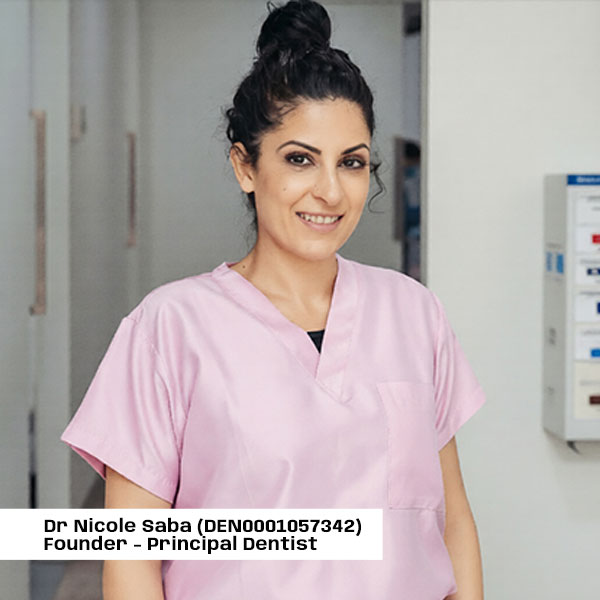
The practice is led by Dr Nicole Saba, Founder and Principal Dentist, and patients are given time to ask questions and understand their options, the likely costs and any follow-up care before treatment begins. As this guide suggests, you can confirm any dentist’s registration on the AHPRA register at ahpra.gov.au before you book.
To arrange a check-up, an emergency visit or a conversation about a specific concern, you can book an appointment online or call 1300 585 857.
Final Thoughts
Choosing a dentist involves more than picking the closest clinic, because qualifications, experience, services, communication, technology, reputation and convenience all affect how well you will be looked after. A helpful starting point is to check the dentist’s registration on the AHPRA website, ask about costs before you book, and notice whether your first visit leaves you feeling informed and respected. Choosing a dentist you feel comfortable with makes regular dental care much easier to maintain, so take your time to compare your options and arrange a consultation when you are ready.
This article is general information only and is not a substitute for professional dental advice.
Frequently Asked Questions
How do I find a good dentist near me in Sydney?
What should I consider before choosing a dentist?
How often should I visit a dentist for a check-up?
Can I change my dentist if I am not satisfied with my current dental care?
About The Author